
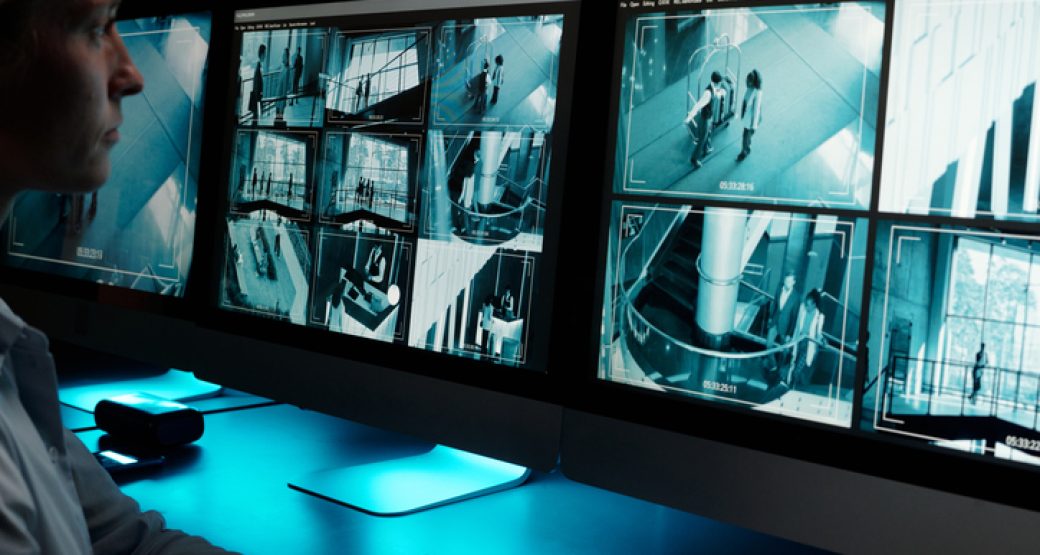
Understanding how integrated business security systems work requires recognizing what changed when businesses moved from traditional standalone systems to modern integrated platforms. For decades, businesses relied on separate security systems that operated in isolation. Each came with its own control panel, management interface, and alert protocols. When security events occurred, humans manually connected information across these separate systems and coordinated responses. This fragmented approach created dangerous gaps that modern integrated systems eliminate through intelligent coordination.
Proven Integration Expertise: ProTech Security has spent over 40 years perfecting integrated security system design and implementation. Talk with our experts today.
Standalone Systems: The Old Way
Before integration, businesses managed multiple independent security systems simultaneously. Access control systems tracked entries but couldn’t communicate with cameras. Video surveillance recorded continuously with no awareness of access events or alarms. Intrusion detection triggered alerts but couldn’t activate cameras or lock doors. Fire detection operated separately.
Security personnel manually monitored multiple screens, checked different software programs, and physically coordinated responses. When unauthorized access was detected, someone manually pulled up cameras, checked intrusion status, and decided on lockdown protocols. These delays are measured in minutes — an eternity during security incidents.
The Integration Revolution: Connecting Security Through Common Platforms
Integrated security systems work by establishing a common software platform that connects previously separate components through standardized communication protocols. This platform functions as a central nervous system, allowing different security components to share information and coordinate responses in real-time.
The architecture consists of three layers: the device layer (cameras, card readers, locks, sensors, detectors), the network layer (IP connectivity replacing separate proprietary wiring), and the management layer (unified software interface where everything coordinates).
Systems now share data continuously. When access control registers a credential scan, that information immediately reaches video surveillance, intrusion detection, and monitoring services. When motion sensors detect movement, cameras automatically capture that area while access logs verify whether authorized personnel should be present. When fire alarms activate, the system coordinates appropriate responses across all components simultaneously.
Integrated Systems in Action: Coordinated Response Scenarios
The true power of integrated business security systems becomes clear during actual security events. When someone attempts unauthorized access to a restricted area after hours, the access control system detects the failed credential attempt and immediately logs it. Within milliseconds, video surveillance cameras near that access point automatically begin recording and may zoom for detailed footage. Intrusion detection increases alert sensitivity for nearby sensors. The monitoring service receives immediate notification with video verification. Security personnel see all this information on a single screen rather than checking multiple systems.
Fire emergencies demonstrate integration’s life-safety value. When smoke detectors activate, egress doors must unlock immediately for evacuation, while perimeter doors remain secured. The system achieves this through programmed logic that distinguishes door functions. Video surveillance continues recording while access control logs track who evacuated and when. All of this coordination is impossible with standalone systems requiring manual intervention.
From Design to Daily Operation: How Integration Expertise Matters
Successfully implementing integrated business security systems requires expertise beyond installing equipment. Security integrators must understand how different manufacturers’ systems communicate, which platforms work together effectively, and how to configure coordination rules matching each business’s operational requirements.
Experienced integrators assess current infrastructure, identify which components integrate versus which require replacement, and design network architectures providing reliable connectivity without security vulnerabilities. According to industry research on integrated security systems, properly designed integrated platforms reduce administrative time by 40% compared to fragmented systems.
Ongoing operation requires regular software updates, coordinated testing to ensure components continue communicating properly after updates, and security system maintenance that addresses integration issues before they compromise security.
Partner with Integrated Security Specialists
Understanding how integrated business security systems work reveals why choosing the right implementation partner matters so significantly. The technology enables powerful coordination, but only when designed, configured, and maintained by professionals who understand both the technical requirements and your operational needs.
At ProTech Security, we’ve spent over four decades designing and implementing integrated security solutions for businesses throughout Northeast Ohio and Central Florida. Our team works with leading technology partners, including Verkada, Hanwha, DMP, and LenelS2, to create integrated platforms that deliver both comprehensive protection and operational simplicity.
Don’t leave integration to chance or settle for partially connected systems that fail to deliver integration’s full benefits. Contact our team today to discover how properly implemented integrated security systems can transform your business protection.


