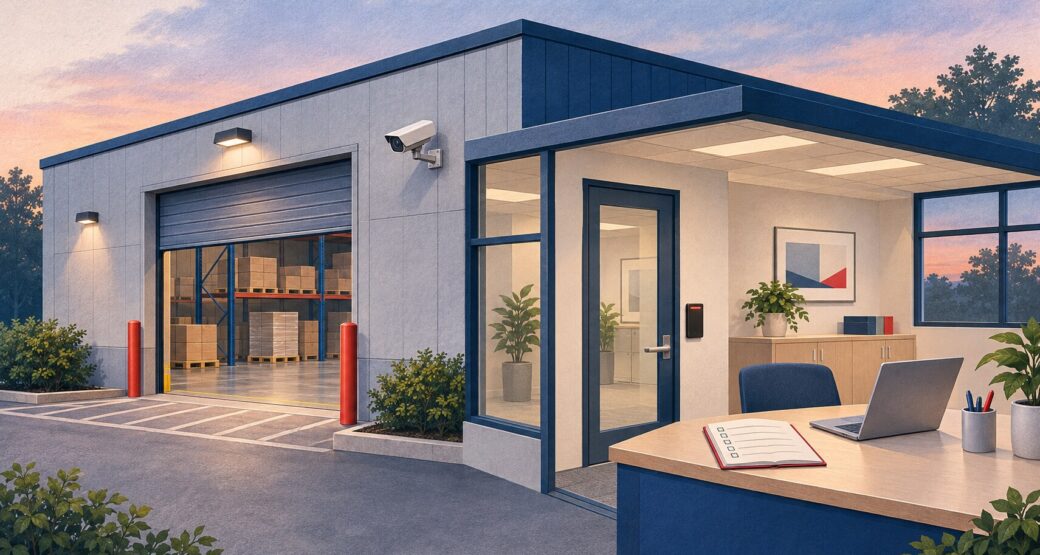
Picture a manager looking for video of a delivery from last Thursday. The loading-area camera shows a clear live picture, but the recording is missing. The camera appeared to be working. The business did not know there was a problem until it needed the footage.
Now move the discovery earlier. In this hypothetical example, a regularly scheduled health check identifies a recording problem, or configured software flags a storage error. ProTech can investigate, address the cause and verify that new video is recording before the next delivery the business may need to review.
Earlier attention cannot recover footage that was never captured. It can help reduce the time a problem goes unnoticed and give the business a clearer path to corrective action.
That is the value of proactive system care: a plan for checking performance, maintaining equipment and acting on findings during normal operations. An ongoing service relationship helps make that care a routine, instead of something that begins only when a system fails.
A working live picture is only part of the answer
A camera’s live picture tells you what you can see now. It does not establish that video is being recorded, retained for the intended period or available when authorized staff need to retrieve it.
The same distinction matters elsewhere in a building. An access control system may report a door’s open or closed status and whether devices are communicating, yet have limited visibility into the physical condition of the door hardware. Software status alone cannot replace an appropriate physical inspection.
Start with what the business needs the system to do. At a loading area, that might mean seeing the delivery point clearly, recording during receiving hours and retaining footage long enough to investigate a delayed claim. The useful question is whether those functions work together, not simply whether the camera is online.
Scheduled health checks and ongoing alerts work together
The term “health check” can mean a software-based check or a technician’s evaluation. A service plan should define both so the business knows what is being assessed, when and by whom.
Regularly scheduled health checks support preventive maintenance. A technician can assess equipment condition and performance, review service history and identify work that needs attention. The scope should address appropriate physical inspection and cleaning, review of system logs, and manufacturer-approved firmware or software updates that fit the customer’s infrastructure. For surveillance, it should also address recording by camera, retention needs and storage condition.
The schedule depends on the customer, equipment, operating environment and agreement. A higher-risk site may need more frequent visits than another property. Establish the appropriate frequency with ProTech rather than assuming one annual visit fits every business. A scheduled check reflects conditions at that time; problems can develop between visits.
Ongoing system-health monitoring can help identify supported faults between visits. Major surveillance manufacturers offer capabilities that may flag lost connections, recording or storage problems, and certain image-quality issues. Available functions vary by platform, equipment and configuration. Automated alerts do not identify every possible problem, and “continuous” does not guarantee immediate detection of every fault.
Agree during setup who should receive available alerts and what happens next. Confirm the platform’s notification settings and administrator roles, then keep the contact information current. An alert reaching an inbox is useful only if someone knows how to act on it. Equipment-health alerts are also different from monitoring video for security events or receiving intrusion and fire signals at a monitoring center.
A practical routine for proactive care
Software and professional maintenance contribute different information. An alert may reveal a storage fault; an onsite evaluation can help identify a physical problem or a change in how the building uses its systems. Bring both into a clear routine:
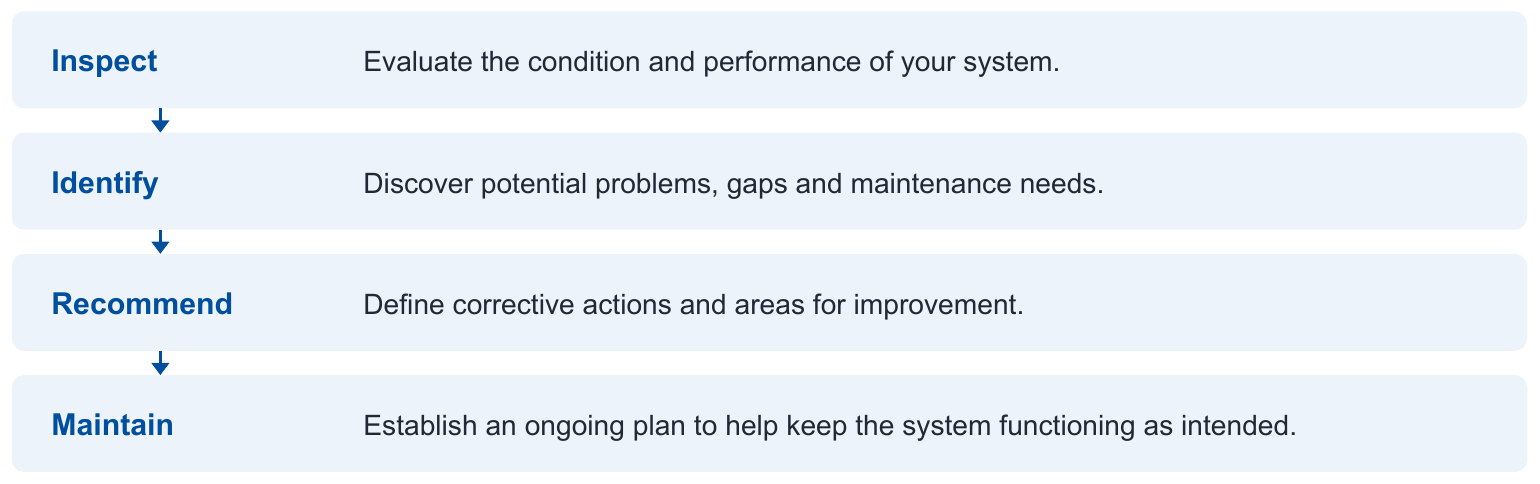
That routine should produce decisions the business can use. A finding may call for cleaning or adjustment, a repair, an update or a discussion about equipment replacement. Record what was found, what action was recommended and what remains open. Revisit the plan after construction, network changes or changes to business hours and building use.
For the loading-area example, the care plan should address more than restoring a picture. It should consider whether the camera still covers the delivery point, whether image quality is useful under the relevant lighting conditions and whether recording and retention meet the business’s needs.
Turn a warning into a verified result
Early detection helps manage risk when it leads to appropriate action. Contact ProTech when an alert or inspection reveals a concern so the cause and next steps can be assessed. A symptom can have several causes; restarting equipment or changing settings without a diagnosis can add disruption.
Customer and IT involvement should reflect their capabilities and the provider’s guidance. Some organizations have IT staff who can assist with network checks, while others need professional support throughout. If staff are unsure what an action will affect, bring ProTech into the process before making changes.
After corrective work, the service provider should verify the affected function and review the result with the customer. For a recording fault, that includes checking new recording and playback, rather than relying on a live picture alone. Any unavailable historical footage remains a separate issue.
Make the relationship part of the plan
An ongoing relationship with ProTech connects individual findings to the history of the site. Previous service records, recurring issues and open recommendations can inform the next visit, helping the business make repair, maintenance and replacement decisions with better context.
That continuity matters for facilities managers coordinating site access, IT support and budgets. Planned reviews create an opportunity to discuss concerns before an urgent incident drives the conversation. A clear record also helps a new employee understand what has been checked and which recommendations still need a decision.
ProTech’s inspection services provide a starting point for discussing that plan. Define the covered systems, scheduled maintenance tasks, reporting, alert recipients and response arrangements in writing. Confirm which repairs, subscriptions and other services are included and which are separate.
A repair visit and a scheduled maintenance visit serve different purposes. During a standard service call, the technician focuses on the reported problem and contributing factors, with a high-level review for other discrepancies. Do not assume that visit includes every task in a broader preventive-maintenance plan.
You do not need to wait for missing footage to begin this conversation. Bring your equipment list, latest service reports and recurring concerns. ProTech can help evaluate the current condition of your systems and identify appropriate next steps.
Schedule a security system health review with ProTech to discuss your existing equipment, identify areas of concern and help determine whether your system still meets your business needs.


